Catering Ideas for Productive Working Lunch Meetings

Working lunch meetings have become a normal part of office life, so whether it’s a quick team catch up, a client presentation or a strategy session that runs through midday, food often plays a role in keeping everyone comfortable and focused. The challenge is choosing catering that works for a professional setting without becoming messy, distracting or overly heavy. A poorly planned lunch can leave people sluggish or disengaged, while a well thought-out spread keeps energy levels steady and helps the meeting run smoothly.
Planning food for a group can feel complicated at first as some have different dietary needs and then there’s the need to cater to varied tastes. Some workplaces prefer quick individual meals that can be eaten while working, while others benefit from shared platters that encourage a relaxed atmosphere. The key is selecting options that are practical, balanced and easy to serve.
With the right approach, catering for a working lunch doesn’t need to be stressful. Below are some catering ideas that help meetings stay productive while ensuring everyone enjoys the food on the table.
1. Individual Boxed Lunches for Simplicity
One of the most reliable options for office meetings is the individual lunch box. Providing each guest with their own meal eliminates confusion and keeps things organised. Everyone receives the same style of meal while still allowing flexibility for different dietary preferences.
Boxed lunches are particularly helpful when meetings involve multiple departments or external guests. Instead of waiting for everyone to serve themselves or pass plates around the table, meals can simply be handed out as the meeting begins. This saves time and keeps attention focused on the discussion rather than the logistics of lunch.
These meals are filling without being overly heavy, making them ideal for maintaining concentration during longer meetings. They also suit modern workplaces where employees may need to return to their desks quickly once the meeting wraps up.
2. Light Gourmet Sandwiches and Wraps
Sandwiches remain a classic working lunch option, but simple fillings can easily be upgraded with more thoughtful ingredients. Light gourmet sandwiches and wraps provide familiar comfort while still feeling fresh and interesting.
Choosing high quality bread such as sourdough, wholemeal, rye or soft wraps can make a noticeable difference. These options not only add flavour but also offer more texture and variety than plain white bread. Fillings can be just as important, especially when they include fresh herbs, roasted vegetables, lean meats, or creamy spreads.
Flavour combinations such as smoked salmon with dill cream, roasted vegetables with hummus, or chicken with herbs and greens create satisfying meals that feel more refined than basic office catering. Because sandwiches and wraps are easy to handle and require minimal preparation space, they are well suited to boardrooms and conference settings where convenience matters.
3. Healthy Salad and Protein Bowls
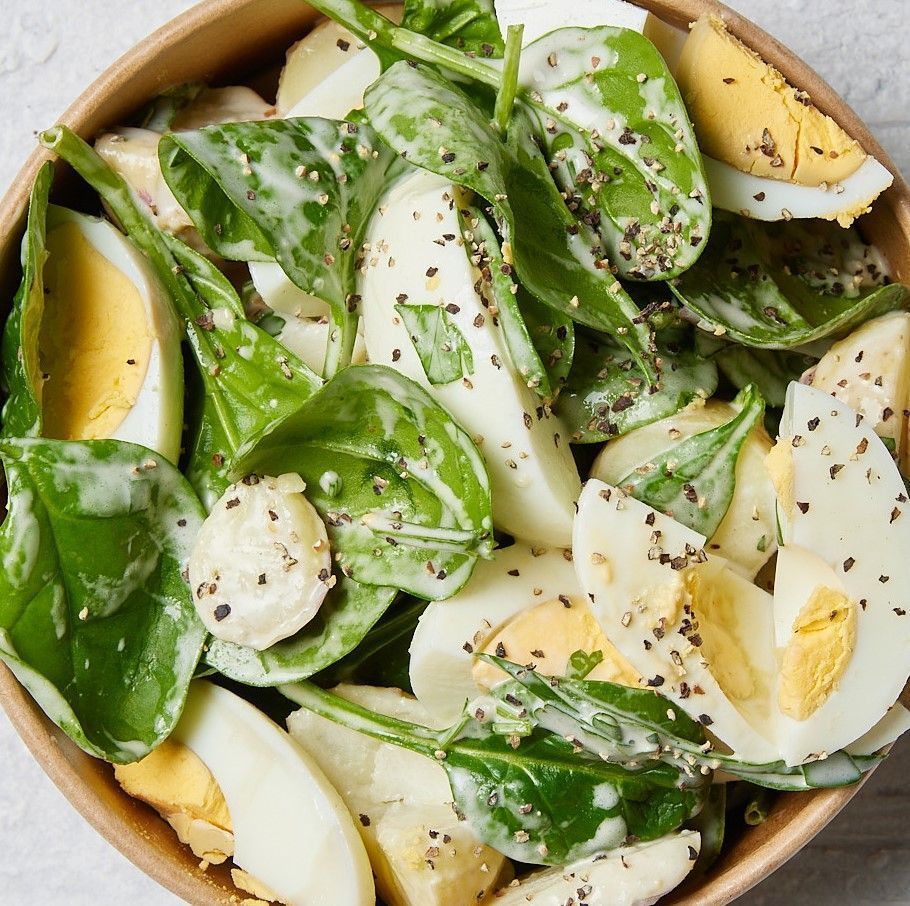
Healthy bowls have become increasingly popular for workplace catering, and for good reason. They combine fresh vegetables, grains, and protein into colourful meals that feel both nourishing and satisfying.
Bowls can include ingredients such as quinoa, roasted vegetables, grilled chicken, tofu, leafy greens, nuts or seeds. These meals are naturally flexible, making them easier to adapt for vegetarian, vegan, and gluten-free diets. The combination of complex carbohydrates, protein, and fibre also helps maintain steady energy levels throughout the afternoon.
Another benefit is presentation as the vibrant ingredients create visually appealing meals that look inviting when placed on the meeting table. Guests can enjoy something fresh and balanced without feeling overly full, which makes healthy salad bowls an excellent choice for meetings that require ongoing concentration and discussion.
4. Shared Platters and Finger Foods
When the meeting atmosphere is more relaxed, shared platters can work extremely well. Shared platters allow guests to pick and choose smaller bites throughout the meeting rather than committing to a full meal all at once.
Finger foods are particularly practical in this setting. Options like mini sandwiches, rice paper rolls, skewers, pastries, and cheese with crackers provide variety without requiring full plates or complicated serving equipment. People can easily grab something between conversations without interrupting the flow of the meeting.
Platters also create a social element within the workspace. Even during business discussions, food that is shared around the table often helps create a more comfortable and collaborative environment. This approach works especially well for smaller meetings, brainstorming sessions, or creative workshops where a relaxed atmosphere encourages better communication.
5. Finishing with Light Drinks and Dessert
A small sweet treat can provide a pleasant finish to a working lunch without overwhelming the meal. Light desserts such as brownies, fruit platters, or small pastries are usually enough to satisfy those looking for something sweet while still keeping the focus on the meeting itself.
Drinks are just as important. Coffee and tea are essential in many workplaces, but offering bottled water, sparkling water, or fresh juice provides additional refreshment. Staying hydrated helps people remain alert, particularly during longer meetings that stretch into the afternoon. Ending the meal with something simple and refreshing ensures guests leave the table feeling satisfied rather than overly full, helping everyone return to work with clear focus.
6. Breakfast Meetings Need Different Thinking
Morning meetings require lighter food than lunch sessions. Heavy breakfast boxes leave people uncomfortable, while too light an options result in hunger by mid-morning.
Our breakfast boxes balance protein, fruit, and grains without excessive pastry or sugar. A substantial muffin or slice with fresh fruit, yoghurt, and perhaps a small protein component provides enough energy to sustain focus through a morning session. Timing is tighter for breakfast catering and a 9am meeting needs food arriving by 8:50am at the latest. Morning schedules offer less flexibility, so coordination becomes even more important.
How to Plan Your Next Working Lunch
Start by defining the meeting context. How long will it run? How formal is the setting? Do attendees know each other? These factors determine whether individual boxes, shared platters or a combination works best.
Communicate dietary requirements in advance. We can accommodate vegetarian, vegan, gluten-free, and other needs easily when we know about them before delivery day. Last-minute requests are harder to manage and can delay service.
Consider the meeting schedule. If lunch happens mid-session, choose food that can be eaten quickly without a full break. If there's a dedicated 30-minute lunch window, you have more flexibility with format and variety.
Also book far enough ahead that we can coordinate timing properly. Last minute orders sometimes work, but advance booking ensures you get exactly what you need when you need it. For regular meetings, standing orders eliminate the planning burden entirely.